



MAKE SURE TO REGISTER FOR JESS’S NEWSLETTER “ANOTHER ISOLATED INCIDENT”



Being a manager today is more complex than ever. Modern managers are expected to balance multiple responsibilities simultaneously: meeting performance targets, coaching employees, fostering collaboration, and navigating rapid changes in technology, workplace dynamics, and market demands. Without proper training, even the most talented and well-intentioned managers can feel stretched thin, unsure how to prioritize competing demands.
The reality is that the role of a manager has evolved. Managers are no longer just supervisors—they are culture carriers, problem solvers, and strategic enablers. The pressure to deliver results while maintaining a positive and productive work environment can be overwhelming without guidance, and this is where leadership training becomes crucial.
Many managers rise into leadership positions because of technical expertise or exceptional individual performance. However, leading people requires a distinct set of skills beyond operational know-how. Balancing productivity with people management is a challenge many new managers face.
Leadership training helps managers navigate this balance by equipping them with strategies to inspire, motivate, and develop their teams without sacrificing performance. It teaches them to recognize individual strengths, delegate effectively, and provide feedback that encourages growth. In other words, training transforms managers from task overseers into leaders who empower their teams to achieve more together.
The shift to remote and hybrid work has created additional complexities. Managers can no longer rely solely on face-to-face interactions to build trust, maintain communication, and monitor progress. Leading teams from a distance requires deliberate effort and specialized skills.
Leadership training provides managers with the tools to manage distributed teams effectively. Techniques for virtual collaboration, maintaining engagement, and monitoring accountability become essential. Managers learn how to foster a sense of connection and inclusion, ensuring that all team members—regardless of location—feel valued and supported.
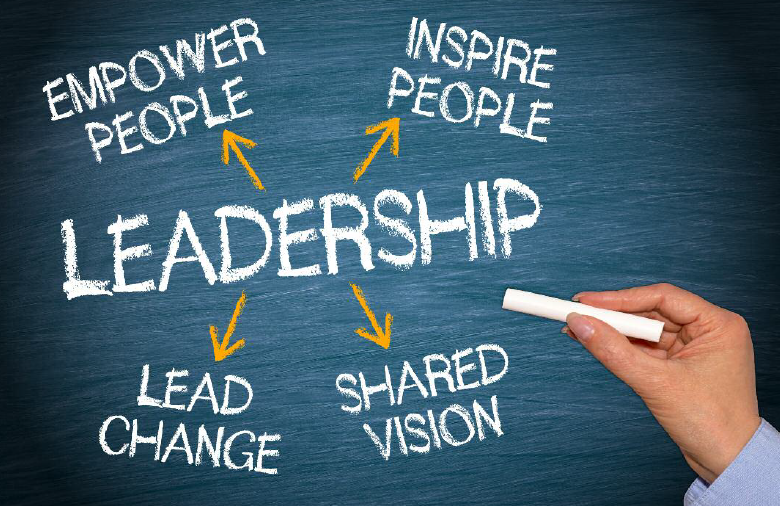
Success as a manager is not about authority; it’s about influence. Managers need a combination of emotional, interpersonal, and strategic skills to inspire trust and drive results. Leadership training focuses on these critical areas:
Emotional intelligence (EQ) is the foundation of effective leadership. Managers with high EQ can read the room, respond to emotions appropriately, and navigate challenging conversations with empathy. They recognize how their actions impact team morale and are skilled at adapting their approach to different individuals and situations. High EQ leads to stronger relationships, better collaboration, and a culture of mutual respect.
Conflict is inevitable in any workplace. How managers handle it can either strengthen a team or create long-lasting tension. Leadership training equips managers with frameworks to resolve disputes constructively, prevent misunderstandings, and maintain team cohesion.
Similarly, decision-making skills are vital. Managers must make choices quickly, confidently, and ethically. Training teaches them to evaluate options strategically, anticipate potential consequences, and involve the right stakeholders in the process. Together, conflict resolution and decision-making enhance a manager’s ability to keep teams productive and focused.
Clear, consistent communication is a hallmark of great management. Leadership training emphasizes the importance of transparent messaging, active listening, and providing feedback that is both specific and actionable. Managers learn to tailor communication to their audience, encourage open dialogue, and foster a culture where employees feel heard and understood.
Investing in leadership development benefits not just individual managers—it drives organizational performance and growth.
Managers who lead with clarity, empathy, and consistency create work environments where employees feel valued. Engaged employees are more productive, motivated, and committed to their organization’s goals. Leadership training teaches managers how to inspire and empower their teams, resulting in higher morale and improved overall performance.
It’s often said that employees don’t leave jobs—they leave managers. Ineffective leadership is a leading cause of turnover, which is costly in both time and resources. Training equips managers with the skills to motivate, support, and retain their teams. This stability allows organizations to preserve institutional knowledge, reduce recruitment costs, and maintain consistent performance.
Managers are key culture carriers. Their behavior, communication style, and decision-making set the tone for the entire team. Leadership training helps managers model the behaviors and values that contribute to a healthy, productive, and collaborative workplace culture. A strong culture enhances employee satisfaction, attracts top talent, and supports long-term success.
Managers are the linchpins of organizational success. They influence workplace culture, drive team performance, and play a central role in retention and employee engagement. Leadership training gives managers the tools they need to navigate modern challenges, build strong teams, and make strategic decisions that benefit both their employees and the organization.
In today’s rapidly evolving work environment, investing in leadership development is no longer optional—it’s essential. Organizations that prioritize training equip their managers to meet challenges head-on, cultivate high-performing teams, and create workplaces where people thrive. Strong leadership doesn’t just produce results—it sustains growth, innovation, and a positive organizational culture for years to come.

Building High-Performing Teams That Last What Makes a High-Performing Team Every organization aspires to build high-performing teams, but these teams don’t appear by...

How Leaders Shape Workplace Culture Why Leadership and Culture Are Connected Workplace culture doesn’t appear overnight, nor does it exist in a vacuum. It is the outcome of...

I recently sent out a survey to all of my social media channels, newsletter subscribers, and followers. Six months into the Trump administration, the author draws a parallel...
Take the 18-Point Mess Diagnostic to find out whether you're dealing with a minor issue, active flames, or a full-blown dumpster fire. Six questions. Eighteen points. Practical insight in just a few minutes.
0 Comments